
Seasonal Marketing Strategies for Hardscaping Contractors
Maximize your marketing ROI by aligning campaigns with seasonal demand patterns in the hardscaping industry.
LeadSpur Team
Lead Generation Expert
Seasonal Marketing Strategies for Hardscaping Contractors
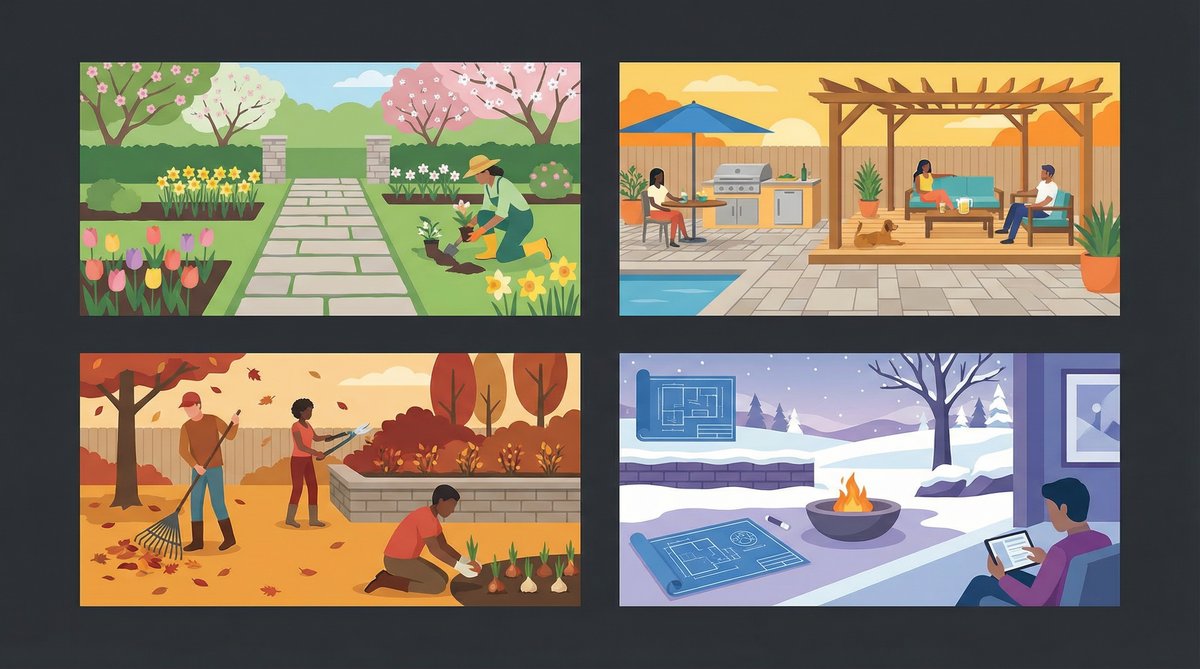
The hardscaping industry has distinct seasonal patterns. Smart contractors align their marketing spend with these cycles to maximize ROI and maintain steady work year-round.
Understanding Seasonal Demand
Peak Season (March - June)
- Highest demand
- Longest backlogs
- Premium pricing possible
- Marketing focus: Booking ahead
Summer (July - August)
- Steady demand
- Heat affects scheduling
- Focus on covered/shaded projects
- Marketing focus: Fall booking
Fall (September - November)
- Second peak season
- Homeowners prep for holidays
- Great weather for installation
- Marketing focus: "Before winter" urgency
Winter (December - February)
- Lowest demand (in most markets)
- Planning and design season
- Catch-up on admin
- Marketing focus: Spring booking
Marketing Calendar
Q1 (Jan-Mar)
- January: "Plan Your Spring Project" campaigns
- February: Early bird discounts for spring booking
- March: Ramp up lead generation spend
Q2 (Apr-Jun)
- April: Peak spending on leads
- May: Showcase completed spring projects
- June: Begin promoting fall availability
Q3 (Jul-Sep)
- July: Reduce spend, focus on closing backlog
- August: "Beat the Fall Rush" campaigns
- September: Second peak in lead generation
Q4 (Oct-Dec)
- October: Last push before winter
- November: Reduce spend, collect reviews
- December: Planning content, minimal spend
Budget Allocation by Season
| Quarter | % of Annual Budget |
|---|---|
| Q1 | 30% |
| Q2 | 35% |
| Q3 | 25% |
| Q4 | 10% |
Year-Round Strategies
- Content Marketing: Blog posts work year-round
- Review Collection: Always be gathering testimonials
- Referral Programs: Incentivize past customers
- Email Nurturing: Stay top-of-mind with prospects
The LeadSpur Advantage
We adjust our Google Ads campaigns seasonally, so you get leads when demand is highest. No wasted spend during slow periods, maximum exposure during peak seasons.
Comments
Join the Discussion
No comments yet
Be the first to share your thoughts!