Drainage Solutions Every Hardscaper Must Know
Water management is critical to every hardscaping project. Master these drainage techniques to prevent callbacks and protect your reputation.
LeadSpur Team
Lead Generation Expert
Drainage Solutions Every Hardscaper Must Know
Water is the enemy of hardscaping. Poor drainage leads to:
- Heaving and settling
- Erosion and washouts
- Standing water
- Unhappy customers
Mastering drainage separates professionals from amateurs.
Understanding Water Flow
The Basics
- Water flows downhill (obvious but critical)
- 1% slope minimum for surface drainage
- 2% slope recommended for patios
- Always direct water AWAY from structures
Site Assessment
Before any project:
- Identify high and low points
- Note existing drainage patterns
- Check for underground utilities
- Assess soil permeability
Surface Drainage Solutions
Proper Grading
The foundation of drainage:
- Slope patios away from house (1/4" per foot minimum)
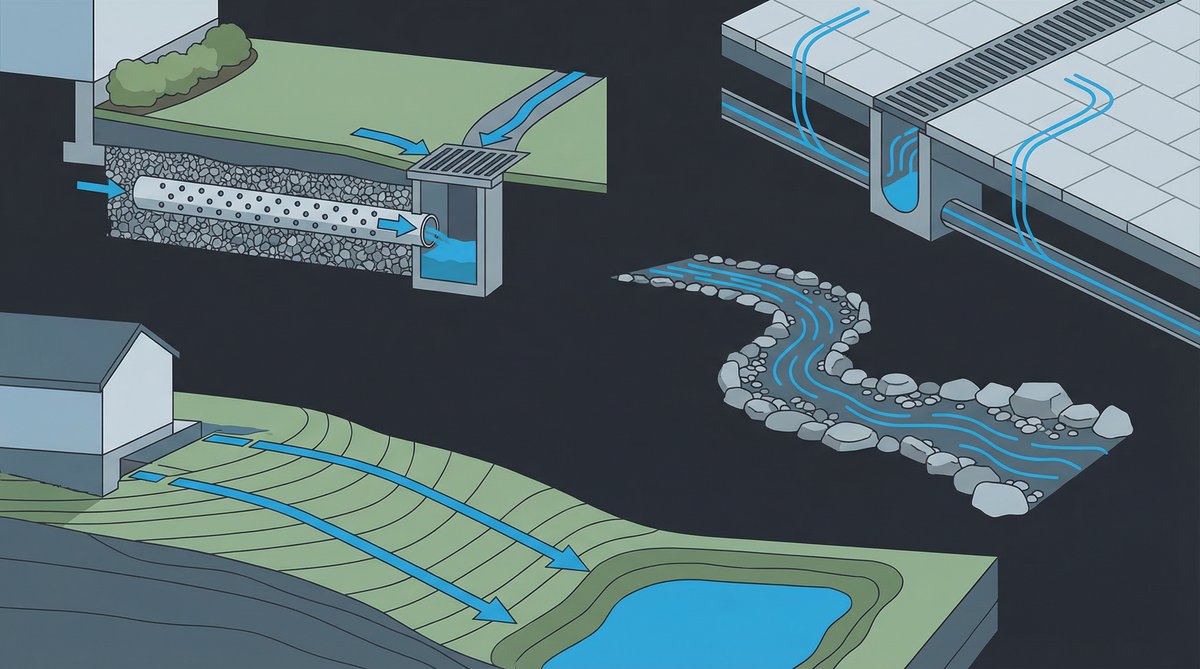
- Create swales to direct water
- Avoid creating low spots
Channel Drains
For areas where grading isn't sufficient:
- Cost: $30-50 per linear foot installed
- Best for: Driveways, pool decks, patio edges
- Types: Polymer, metal, decorative
Permeable Pavers
Allow water to infiltrate:
- Cost: 20-30% premium over standard pavers
- Best for: Driveways, patios, walkways
- Benefit: Reduces runoff, often required by code
Subsurface Drainage
French Drains
The workhorse of drainage:
- Perforated pipe in gravel trench
- Collects and redirects groundwater
- Cost: $25-50 per linear foot
- Depth: 12-24" typically
Dry Wells
For collecting and dispersing water:
- Underground chamber filled with gravel
- Allows water to slowly percolate
- Cost: $500-$1,500 per well
- Size: Based on drainage area
Catch Basins
Collection points for surface water:
- Connect to underground pipe system
- Various sizes and grate styles
- Cost: $200-$500 each installed
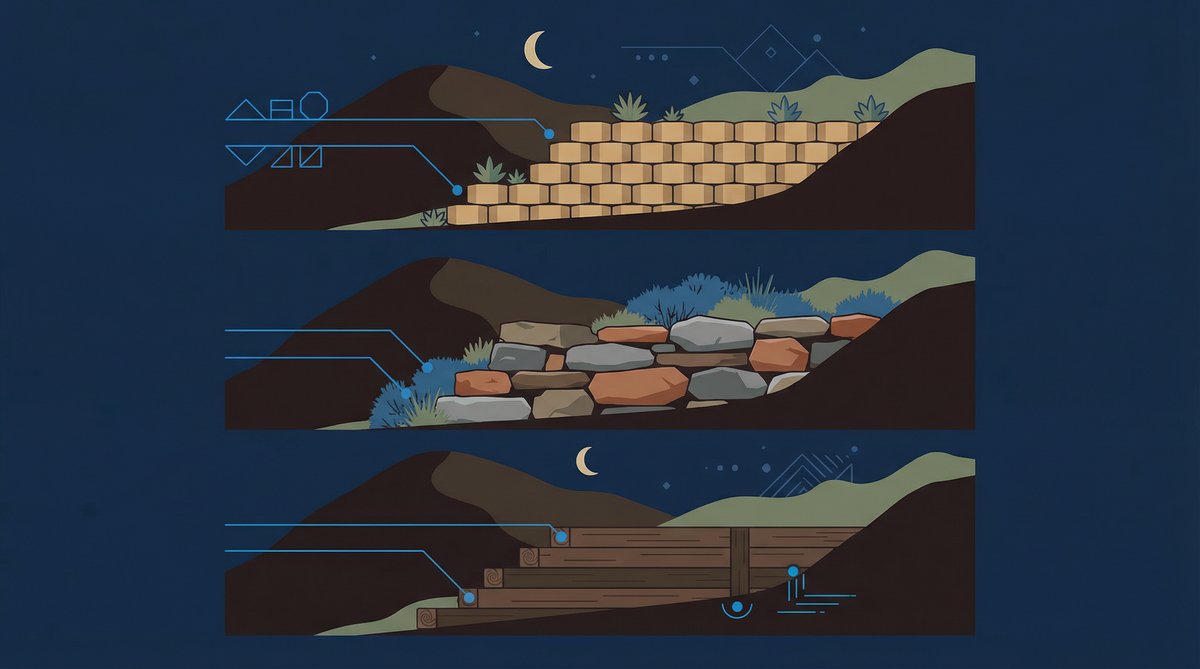
Retaining Wall Drainage
Critical for wall longevity:
- Gravel backfill: 12" minimum behind wall
- Filter fabric: Prevents soil migration
- Drain pipe: At base of wall
- Weep holes: Every 4-6 feet (for solid walls)
Common Drainage Mistakes
1. Ignoring Existing Problems
Don't cover up drainage issues—solve them first.
2. Insufficient Slope
"It looks level" isn't good enough. Use a level.
3. Undersized Pipes
When in doubt, go bigger. 4" minimum for most applications.
4. No Outlet
Collected water needs somewhere to go. Plan the entire system.
5. Forgetting Maintenance
Drains need cleaning. Educate homeowners.
Selling Drainage Solutions
The Conversation
"I noticed some drainage concerns that we should address as part of this project. If we don't, you could see [specific problems]. Here's what I recommend..."
The Upsell
Drainage adds $1,000-$5,000 to most projects. Position it as:
- Protection for their investment
- Prevention of future problems
- Long-term cost savings
The Guarantee
"Our drainage solution is guaranteed. If you have water problems related to our work, we'll fix it."
Documentation
Always document:
- Before photos of problem areas
- Drainage plan in proposal
- During construction photos
- Final grading measurements
This protects you from callbacks and proves your professionalism.
Comments
Join the Discussion
No comments yet
Be the first to share your thoughts!